




How to Choose the Right High-Pressure Pump: A Comprehensive Guide
Selecting the right high-pressure pump is critical for the efficiency, safety, and longevity of your application. Whether for industrial cleaning, waterjet cutting, agricultural spraying, or hydraulic systems, a poorly chosen pump can lead to downtime, increased costs, and subpar results. This guide breaks down the key factors you must consider to make an informed decision.
1. Define Your Core Application Requirements
This is the essential first step. The pump must match the job.
- Primary Use: Industrial cleaning (car wash, fleet maintenance, food processing), waterjet cutting, hydraulic power, reverse osmosis, chemical injection, or pressure testing?
- Required Pressure (PSI/Bar): This is the force the pump must generate. Light-duty tasks (e.g., residential cleaning) may need 1,500-2,500 PSI, while heavy-duty industrial cleaning or waterjet cutting can require 10,000 PSI to over 90,000 PSI.
- Required Flow Rate (GPM/LPM): This is the volume of fluid delivered. High-flow, low-pressure pumps are for rinsing; low-flow, ultra-high-pressure pumps are for cutting.
- Fluid Type: What will the pump handle? Clean water, hot water, seawater, chemicals, oil, abrasive slurries, or sensitive fluids? The pump materials must be compatible.
2. Understand Pump Types & Technologies
The technology dictates performance, durability, and cost.
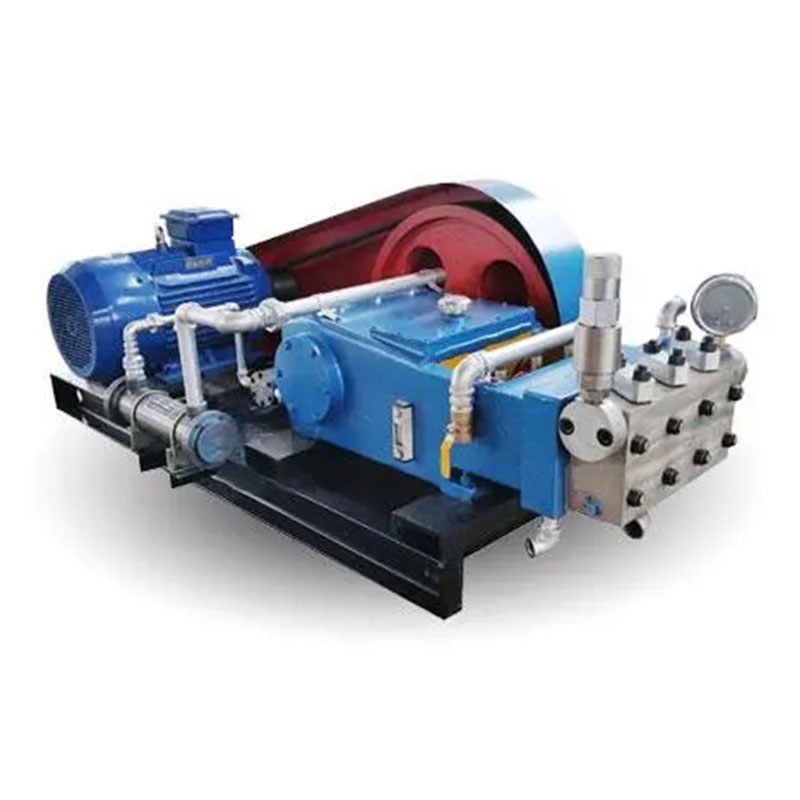
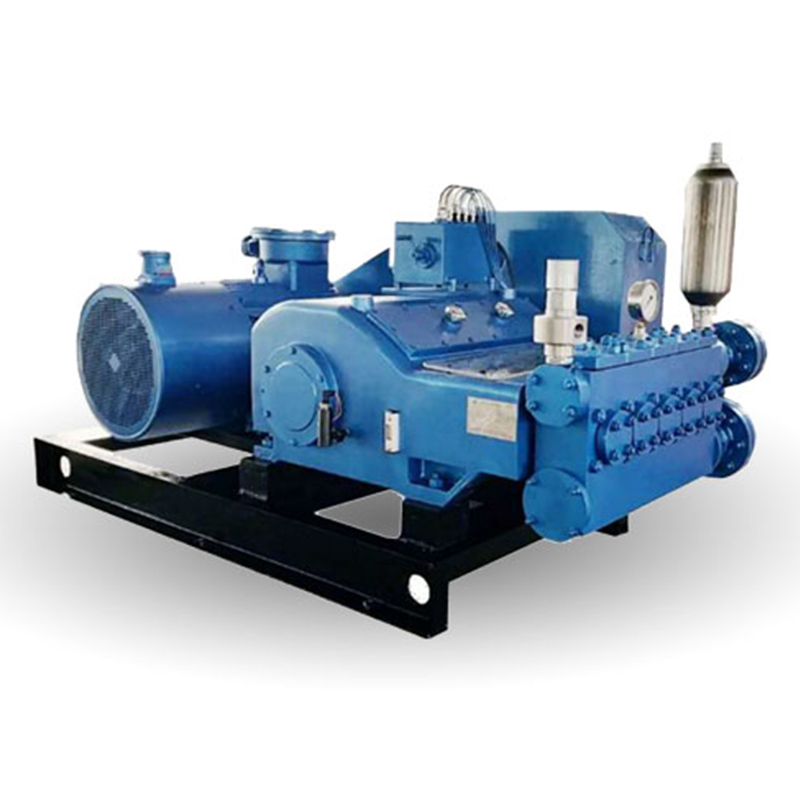
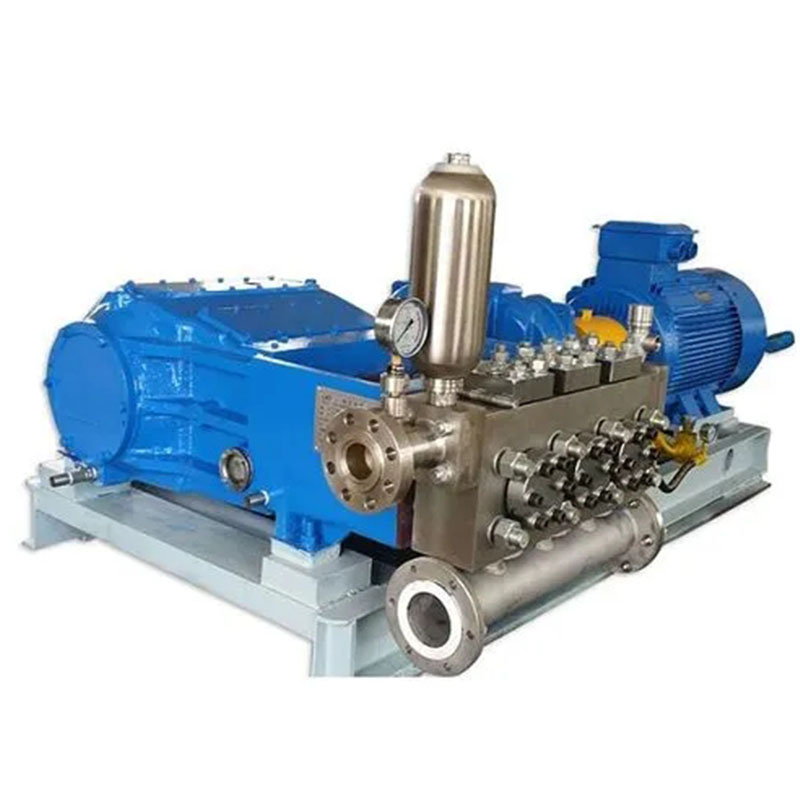
- Reciprocating Pumps (Positive Displacement): Most common for high pressure.Plunger Pumps (Triplex): The industry standard for rugged, continuous-duty applications like industrial cleaning and waterjetting. They use three plungers for smooth flow, are highly efficient, and handle high pressures (up to 50,000 PSI+).Piston Pumps: Often used in hydraulic systems and lower-pressure washers. Can be more sensitive to water quality.Diaphragm Pumps: Excellent for pumping chemicals, abrasive slurries, or viscous fluids, as the fluid is isolated from the pump mechanism.
- Centrifugal Pumps (Kinetic): Generate pressure through rotational velocity. Typically used for high-flow, lower-pressure applications. Can be staged (multiple impellers) to achieve higher pressures, common in reverse osmosis systems.
3. Evaluate Critical Performance Specifications
Look beyond just PSI and GPM.
- Power Source: Electric motor (single or three-phase), diesel engine, gasoline engine, or PTO (Power Take-Off)? Choose based on available power, portability needs, and indoor/outdoor use.
- Duty Cycle: Is it for intermittent use (e.g., 2 hours/day) or continuous 24/7 operation? Industrial-grade pumps are built for continuous duty with better cooling and robust components.
- Materials of Construction: The pump head and critical components must resist wear and corrosion.Plungers: Ceramic (most common, good wear resistance) or stainless steel.Check Valves: Ceramic, stainless steel, or hardened alloys.Seals: Viton, PTFE (Teflon), or EPDM for compatibility with specific fluids and temperatures.
- Efficiency & Lifespan: Consider the pump's overall design, brand reputation, and mean time between failures (MTBF). A slightly more expensive, efficient pump can save significantly on energy and replacement costs.
4. Match the Pump to the System & Environment
The pump must integrate seamlessly.
- System Compatibility: Ensure the pump's inlet/outlet sizes, pressure ratings, and drive type (e.g., shaft size) match the rest of your system.
- Environmental Conditions: Will it operate in a corrosive atmosphere, extreme temperatures, or a hazardous (explosion-proof) area? Enclosure ratings (IP for water/dust) and motor certifications (ATEX for explosion safety) are crucial.
- Maintenance & Serviceability: Check the ease of access to seals, valves, and plungers. Are service kits and technical support readily available from the supplier? A pump with good local support is often better than a cheaper, unsupported one.
5. Consider Total Cost of Ownership (TCO)
The purchase price is just the beginning.
- Initial Cost: Includes the pump, motor, and any necessary controls or accessories.
- Operating Cost: Energy consumption, water usage, and fluid/chemical costs.
- Maintenance Cost: Cost and frequency of replacing seals, valves, plungers, and other wear parts. This is often the most significant long-term factor.
- Downtime Cost: A reliable, durable pump prevents costly production or service interruptions.
Selection Checklist:
- Application: [e.g., Industrial parts cleaning]
- Required Pressure: [e.g., 3000 PSI / 200 Bar]
- Required Flow: [e.g., 5 GPM / 19 LPM]
- Fluid: [e.g., Hot water with mild detergent]
- Duty Cycle: [e.g., 8 hours/day continuous]
- Power Available: [e.g., 3-phase 480V electric]
- Environment: [e.g., Indoor, humid wash bay]
- Key Priorities: [e.g., Low maintenance, reliability]
Conclusion
Choosing a high-pressure pump is an investment. Avoid the pitfall of selecting based on price or pressure rating alone. By thoroughly analyzing your application needs, understanding pump technologies, and prioritizing quality components and serviceability, you will select a pump that delivers optimal performance, minimizes lifecycle costs, and provides a strong return on investment for years to come. When in doubt, consult with a reputable pump specialist or manufacturer's engineer. They can provide invaluable guidance tailored to your specific scenario.
Related Posts
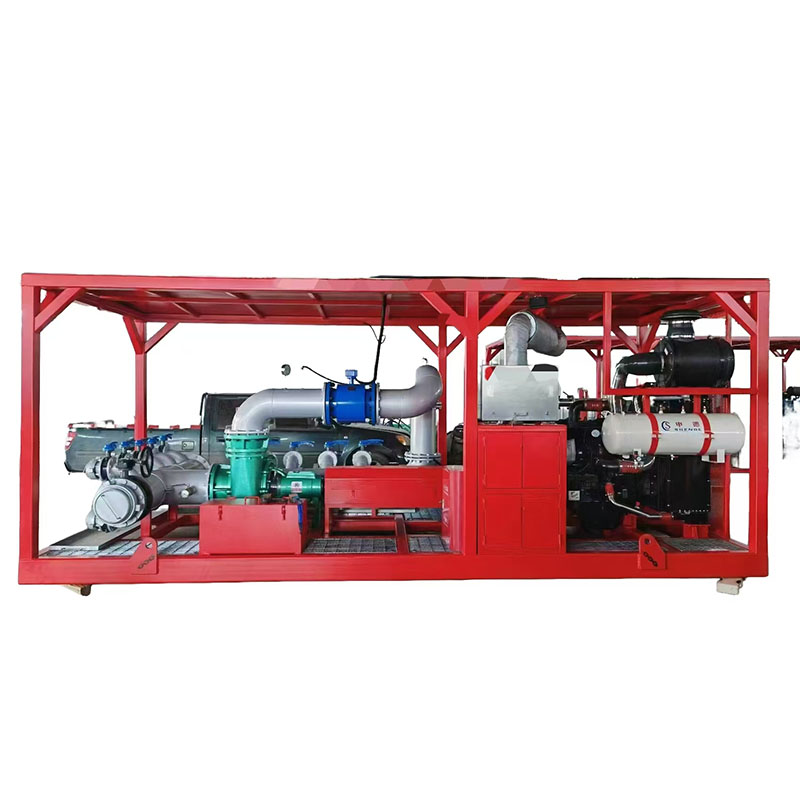
The Purpose of Oilfield Fracturing Pumps
Feb 24, 2026